
Baking science
The Secret Role of Sugar in Baking
Sugar shapes texture, moisture, browning, structure, and shelf life—not only sweetness.
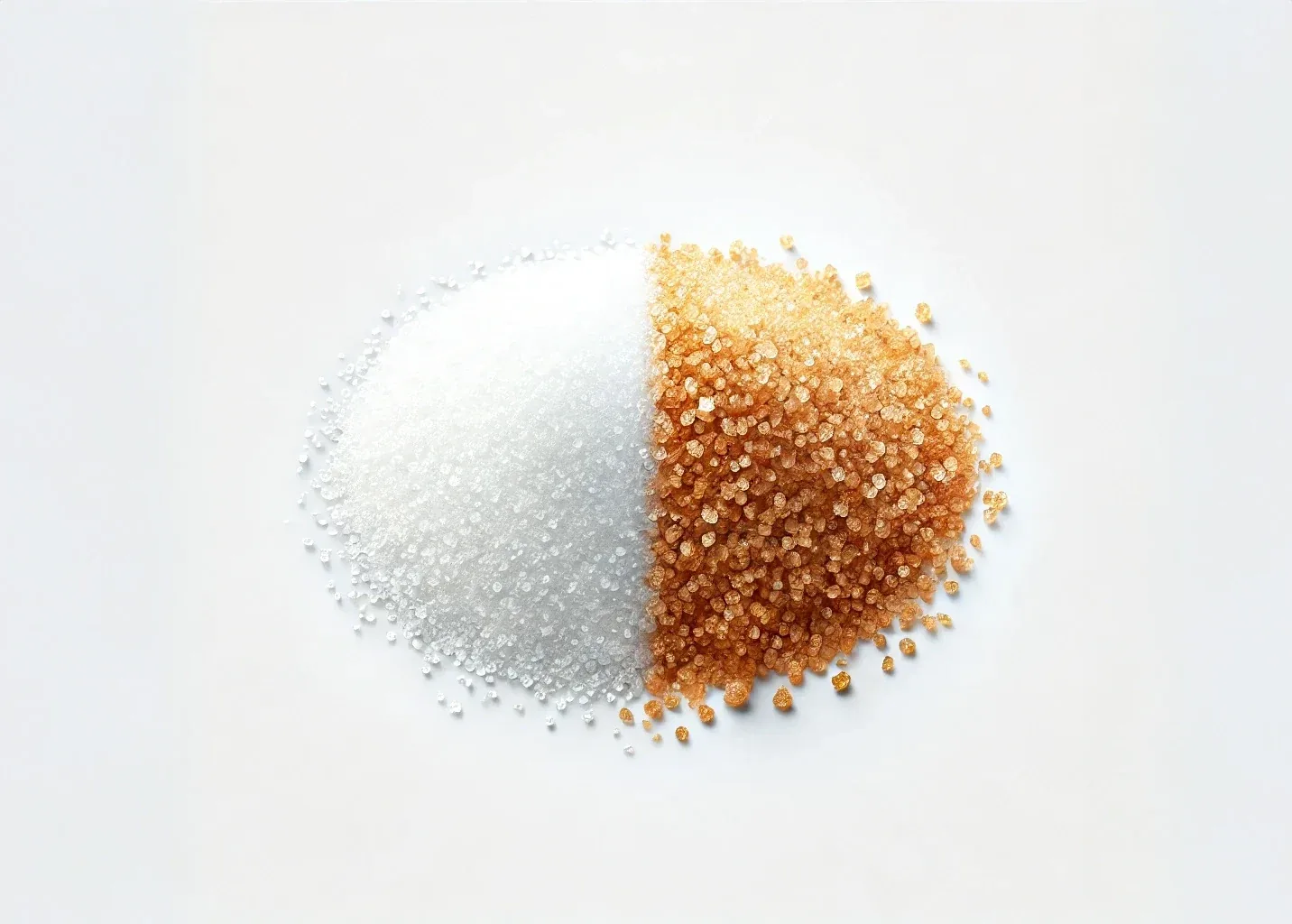
Why sugar matters
We usually associate sugar with sweetness, but in baking it also controls texture, moisture, browning, structure, and shelf life. Understanding those roles makes it easier to improve results and adjust a recipe without unpleasant surprises.
Texture, structure, and moisture
Sugar interferes with gluten formation, making baked goods tender. Creamed with butter, it traps air and helps cakes rise. Because sugar is hygroscopic—it attracts and holds water—it also keeps baked goods moist. Brown sugar and liquid sweeteners bring even more moisture.
- More sugar generally creates a softer texture.
- Less sugar can produce a firmer, drier result.
- Brown sugar makes cookies chewier.
- Honey and syrups add softness and may require reducing other liquids.
“Change the sugar and you change the architecture of the bake.”
Browning and flavor
Sugar drives caramelization and contributes to browning, producing golden crusts and crisp edges. It also balances acidity, bitterness, and salt: it softens dark chocolate, rounds tart fruit, and supports flavor even when the finished bake does not taste especially sweet.
Choosing a sweetener
Different sugars are not interchangeable because each contributes its own moisture, flavor, and texture.
- White sugar — crispness and aeration for cakes, cookies, and pastries.
- Brown sugar — moisture, chew, and deeper flavor for cookies and quick breads.
- Powdered sugar — smooth texture in frostings, meringues, and shortbread.
- Honey or maple syrup — moisture and distinctive flavor in cakes, breads, and glazes.
- Molasses — deep caramel character and chew in gingerbread and dense cookies.
Yeast, crust, and preservation
A little sugar feeds yeast and speeds fermentation, while a high-sugar dough such as brioche can ferment more slowly. Sugar also changes crust: more creates crispness, brown sugar encourages chew, and less often leaves a softer, paler result.
By binding water, sugar slows microbial growth and extends freshness. It also stabilizes whipped egg whites and cream, helping meringues become smooth and glossy and whipped cream hold its shape.
Use it wisely
Sugar is essential but flexible. Reduce or replace it carefully: a change in sweetness can also change moisture, aeration, browning, crust, and structure. In baking, sugar is part of the architecture.