
Kitchen science
The Secret Link Between Temperature and Flavor
Why the same dish can taste flat when piping hot and beautifully balanced after a short rest.
A surprising kitchen lesson
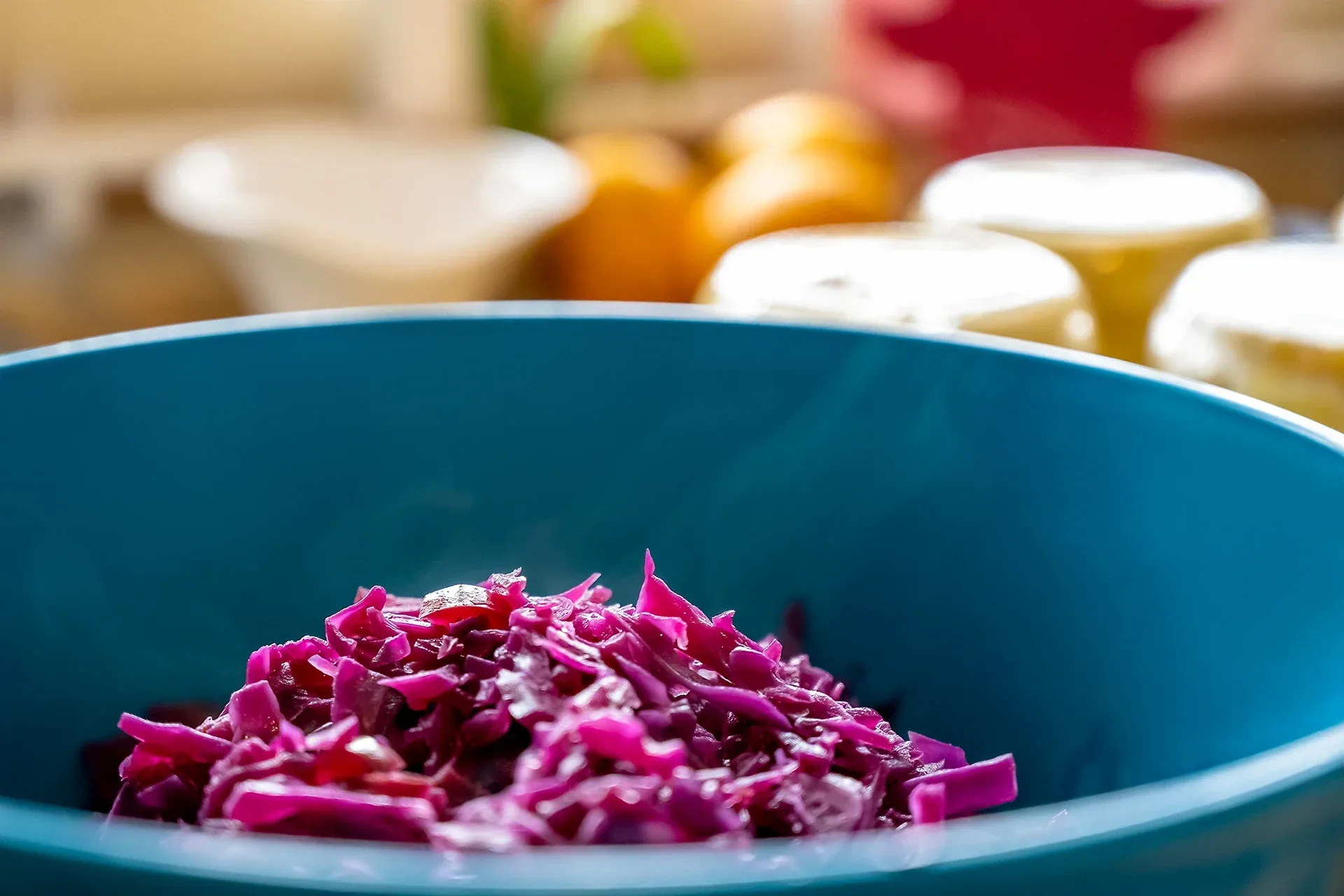
While juggling dishes for a Christmas feast, my braised red cabbage tasted flat, muted, and out of step with the warming spices that usually make it special. I set the pot aside. Hours later, the very same dish was balanced and vibrant. Nothing had changed except the temperature.
The cabbage had not failed—it needed time to cool and settle. I see the same thing with chili: straight from the stove it can feel aggressively spicy or acidic, but after fifteen or twenty minutes the flavors mellow and reveal their depth.
The science of temperature and taste
When food is too hot, heat sensitivity dulls the palate and overwhelms subtle spices, acids, and herbs. At a more comfortable temperature, flavors settle into equilibrium and the palate can explore them more clearly.
- Very high heat can mute nuance and make a dish feel one-dimensional.
- A short rest allows seasoning and aroma to become easier to perceive.
- Serving temperature should be considered before making final adjustments.
“Temperature isn’t a technical detail. It is an ingredient.”
From cabbage to cocktails
The same principle shapes drinks. Large, slow-melting cubes suit spirit-forward cocktails because dilution happens gradually. Crushed ice works in mojitos and tropical drinks because rapid chilling and dilution are part of the structure. Standard cubes in a shaker create the right combination of temperature and water for Margaritas or Daiquiris.
Mastering temperature at home
Always let a dish cool slightly before making final seasoning adjustments. Consider how it will taste at serving temperature: hot soup may need bold seasoning, while a chilled dessert may need extra acidity. Contrasts can be powerful too—warm apple pie and cold ice cream improve one another.
- Reheat leftovers at 70–80% microwave power for gradual, even heat.
- Arrange dense food around the edge of the plate and leave the center open.
- Heat in short bursts and pause between them.
- Allow a final 90-second rest so the temperature can stabilize.
The takeaway
Temperature is not merely a technical detail. It is a key ingredient in balanced, memorable food. From a simmering pot of cabbage to a perfectly chilled mojito, understanding heat, cold, time, and rest opens new possibilities in the kitchen.