
Food · The Lion Chef
Food
Homemade Sandwich Bread
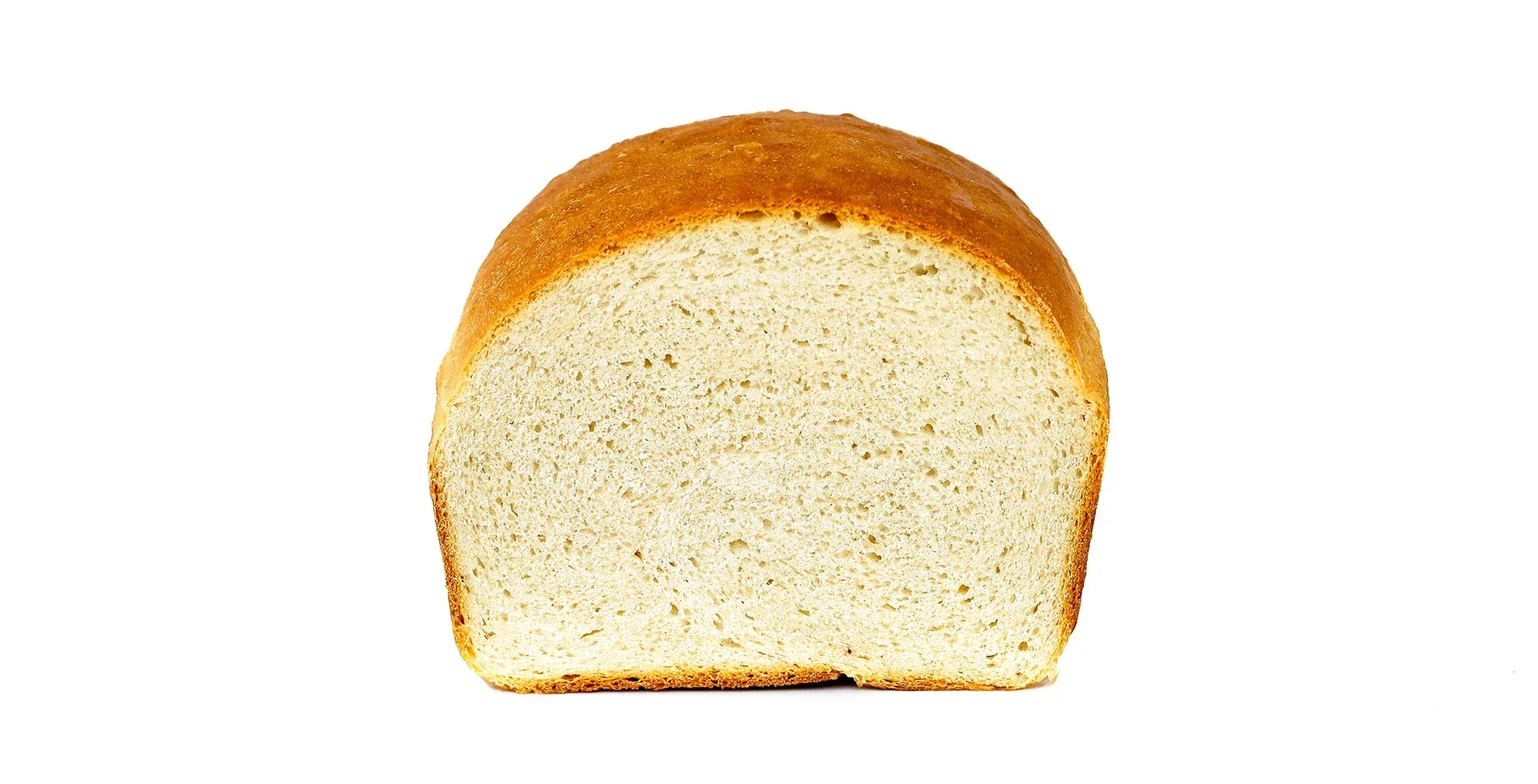
A soft, fluffy everyday loaf made with warm milk, butter, and a simple yeast dough—perfect for toast and sandwiches.
- Time
- 2 hours 30 minutes
- Yield
- Makes 1 loaf
- Level
- Easy
Behind the recipe
A little story before we cook
Homemade sandwich bread proves that an everyday loaf can still feel special. There are no preservatives here—just fresh bread with a tender crumb, a softly golden crust, and enough structure to slice cleanly for breakfast or lunch.
Method
Make it
- 01
Activate the yeast
Combine the warm milk, sugar, and active dry yeast in a small bowl. Let stand for 5 to 10 minutes, until visibly foamy. If it does not foam, begin again with fresh yeast.
- 02
Make the dough
Whisk the flour and salt in a large bowl. Add the yeast mixture and softened butter, then stir until a rough ball begins to form.
- 03
Knead
Knead by hand for 8 to 10 minutes, or with a dough hook on medium speed for 5 to 6 minutes, until smooth and elastic. The dough should be slightly tacky but not sticky; add a little flour if too wet or a little milk if too dry.
- 04
First rise
Place the dough in a lightly greased bowl, cover, and let rise in a warm place—ideally 75–80°F—for 60 to 90 minutes, until doubled.
- 05
Shape the loaf
Gently press out large air bubbles. On a floured surface, shape the dough into a rectangle the width of the loaf pan. Fold the top third down and press the seam, fold the bottom third up, press again, and roll lightly into a smooth loaf.
- 06
Second rise
Grease a 9 × 5-inch loaf pan and place the dough seam-side down. Cover with a towel and proof for 30 to 45 minutes, until the dough rises slightly above the rim.
- 07
Bake
Heat the oven to 375°F. Bake for 30 to 35 minutes, until golden brown. The loaf should sound hollow when tapped and reach an internal temperature of 190–200°F. Brush with butter after baking if a softer crust is desired.
- 08
Cool before slicing
Remove the bread from the pan immediately and cool on a wire rack for at least one hour before cutting.
Lion Chef note
If the bread is dense, the usual causes are too much flour or insufficient kneading. Bread flour and a fully developed, elastic dough provide the strongest rise.
Bread essentials
A soft loaf with real structure
The method is straightforward, but temperature, dough texture, proofing, and cooling determine whether the loaf becomes genuinely light and sliceable.
Milk or water
Milk gives the bread its softer crumb and crust. Water can replace it, but the finished loaf will have a slightly firmer exterior.
Read the dough
After kneading, the dough should feel smooth, elastic, and slightly tacky—not wet or sticky. Add flour or milk only in small amounts so the balance is not lost.
Know when it is baked
The loaf should be deeply golden, sound hollow when tapped, and register 190–200°F internally. Brush it with butter after baking for an especially soft crust.
Cool and store
Wait at least one hour before slicing so the crumb can set. Store airtight for three to four days, or wrap in plastic and foil and freeze for up to three months.